
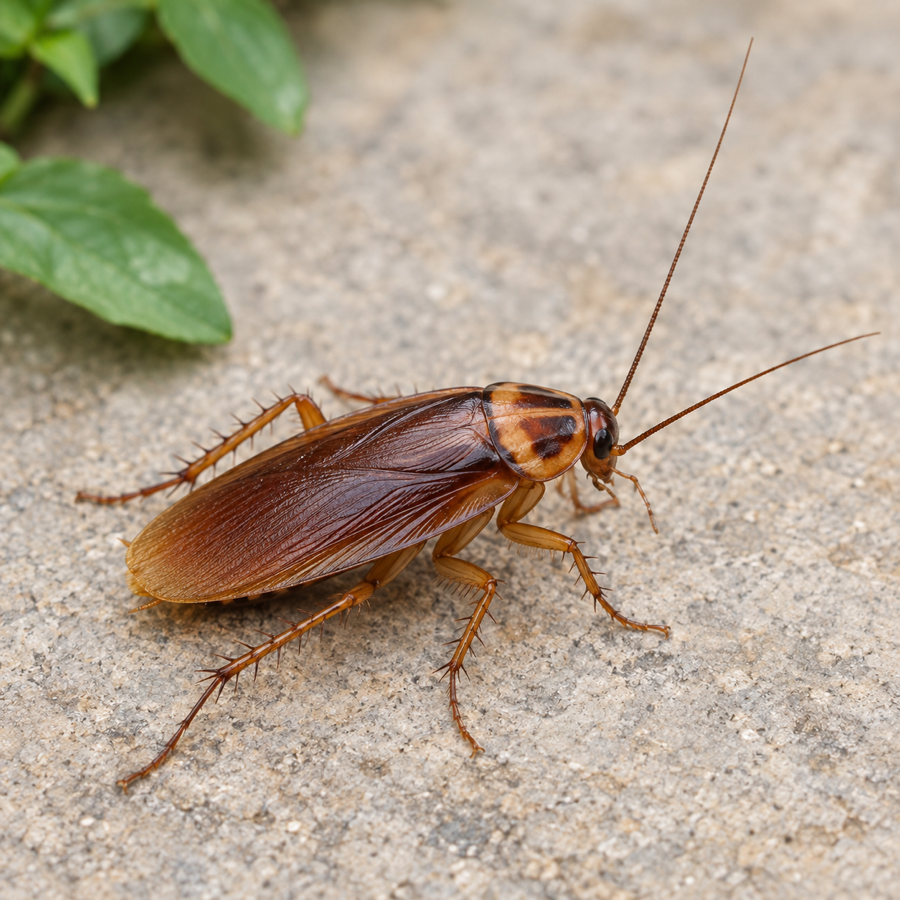
Crawling insect
Highly adaptable, mostly nocturnal insects that thrive near food, water and warmth in homes and commercial facilities.
Knowledge centre
Explore PCAMB’s catalogue of pests and related species found across homes, businesses and specialised facilities.
25 pest categories
A broad reference catalogue
107 listed types
Species and common groupings
Prevention first
Practical IPM guidance
PCAMB pest library
Open a category to view the types listed in PCAMB’s pest library. Categories with a detailed profile include identification, behaviour, risks and prevention guidance.
Crawling insect
Highly adaptable, mostly nocturnal insects that thrive near food, water and warmth in homes and commercial facilities.
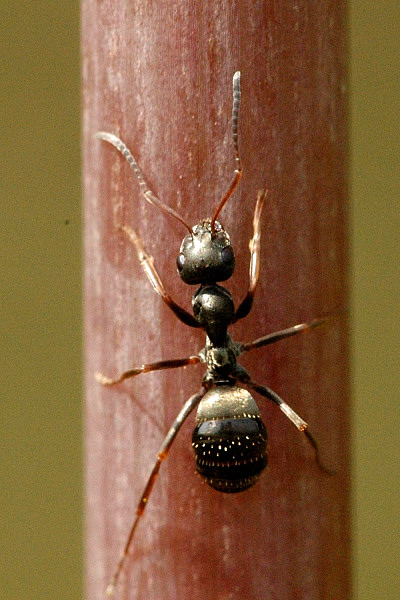
Crawling insects
Social insects that form organised colonies and may forage indoors for food and water.
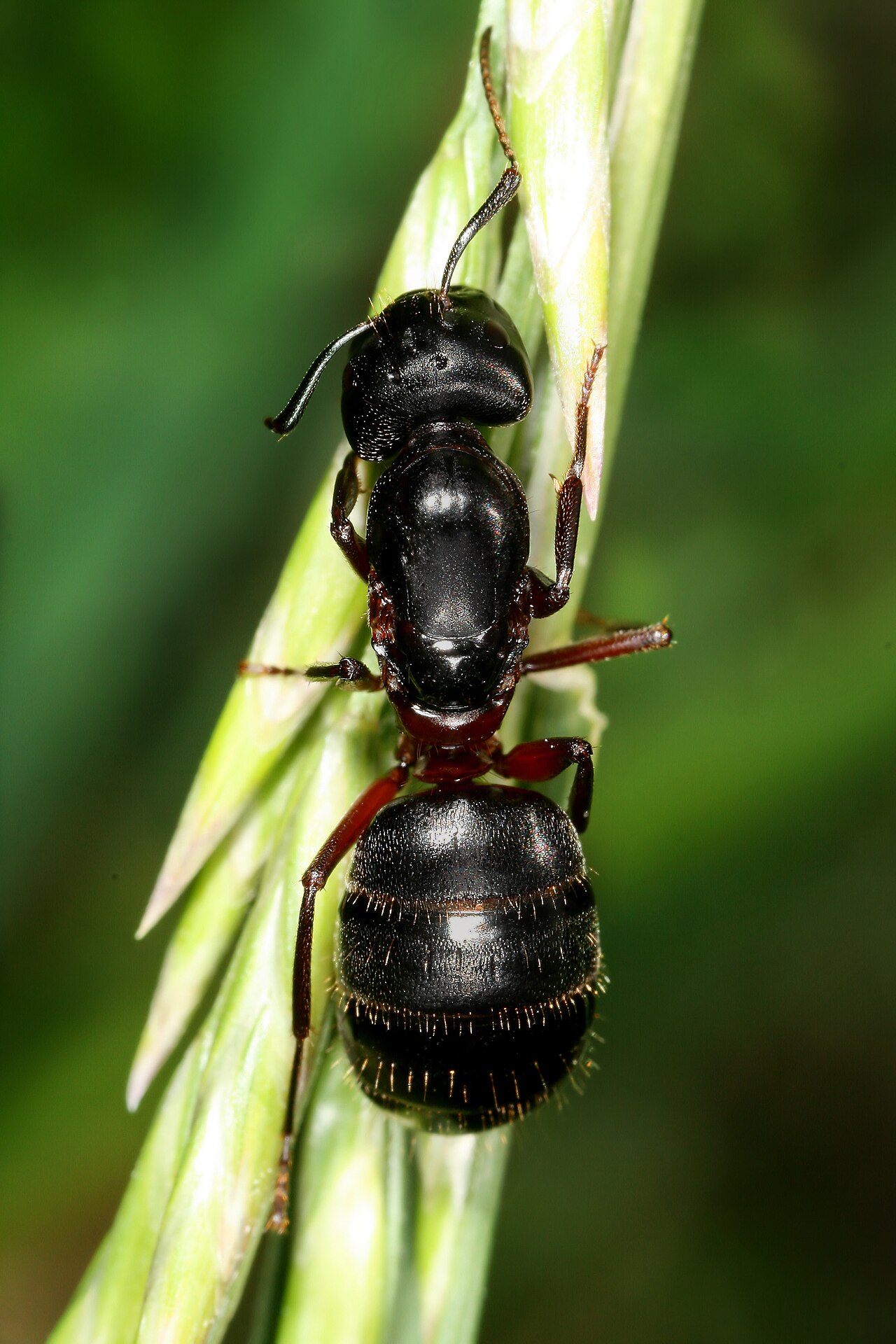
Crawling insects
A varied group of ants that enter or nest in buildings under favourable food, moisture and shelter conditions.
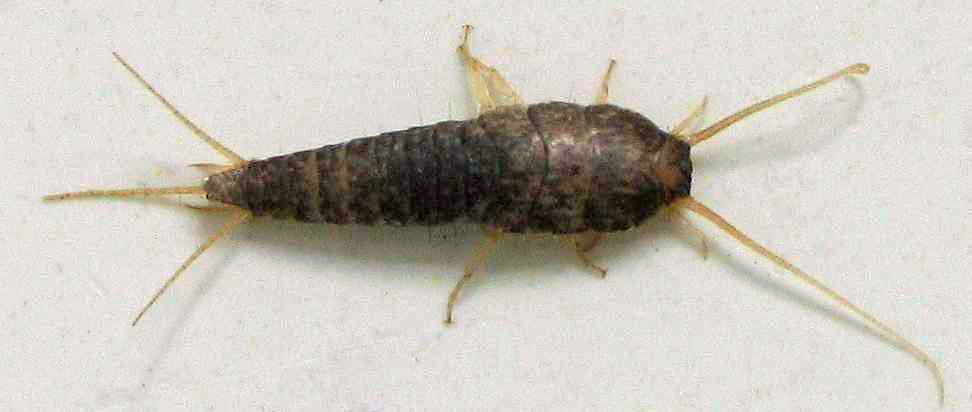
Occasional invader
Wingless, moisture-loving insects commonly found in bathrooms, cupboards, libraries and storage areas.
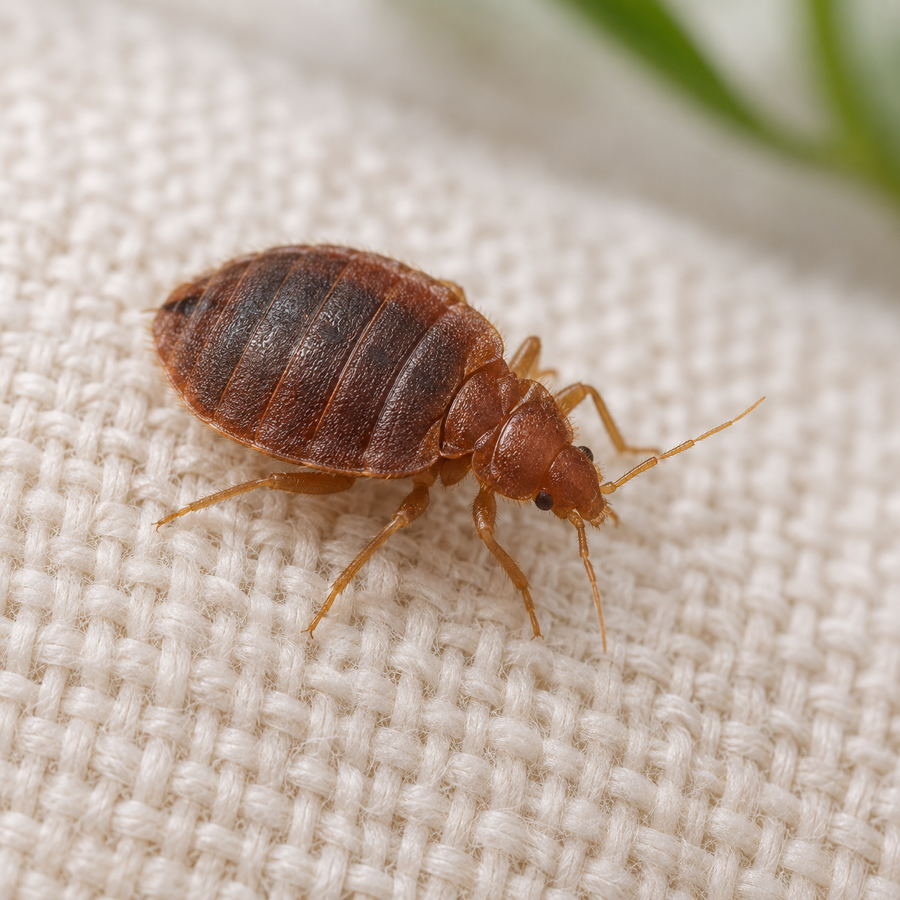
Flying insect
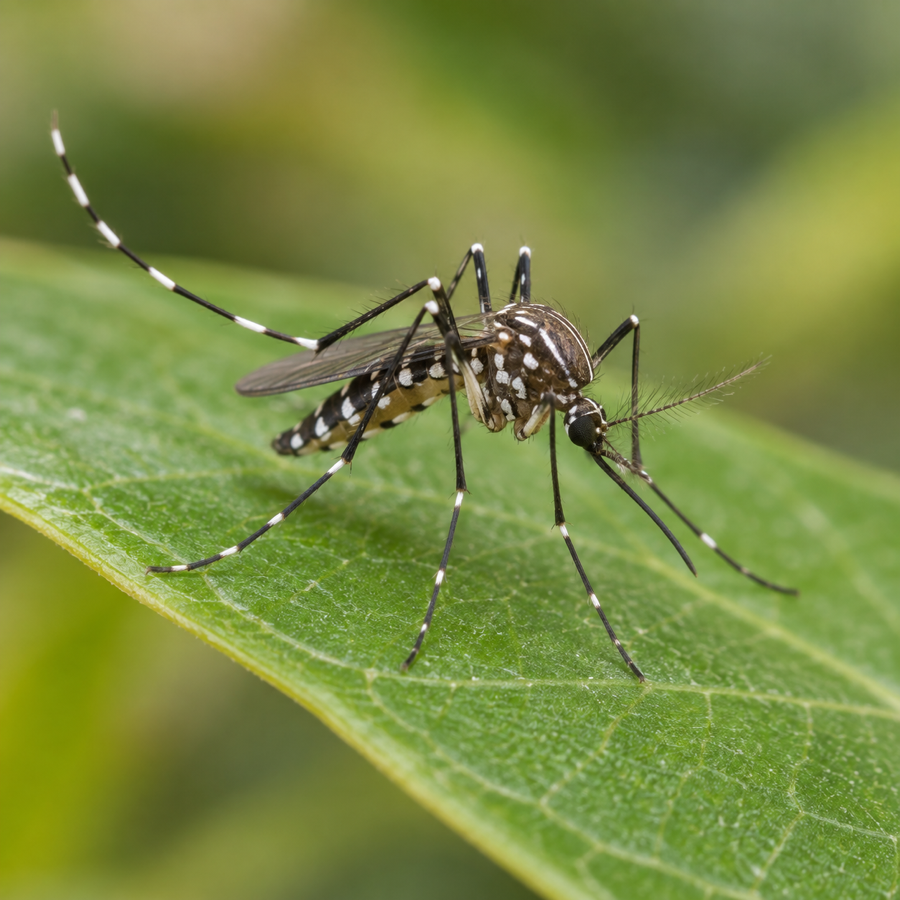
Small flying insects whose females may bite; different genera can transmit important diseases in India and around the world.
Rodent
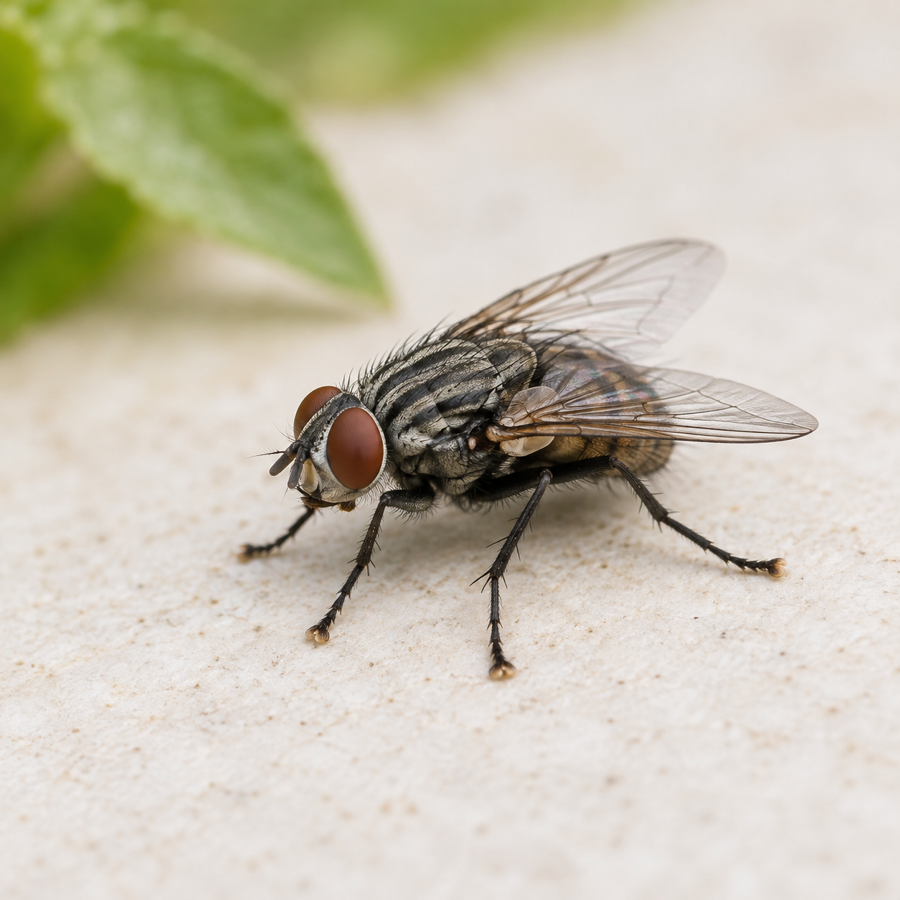
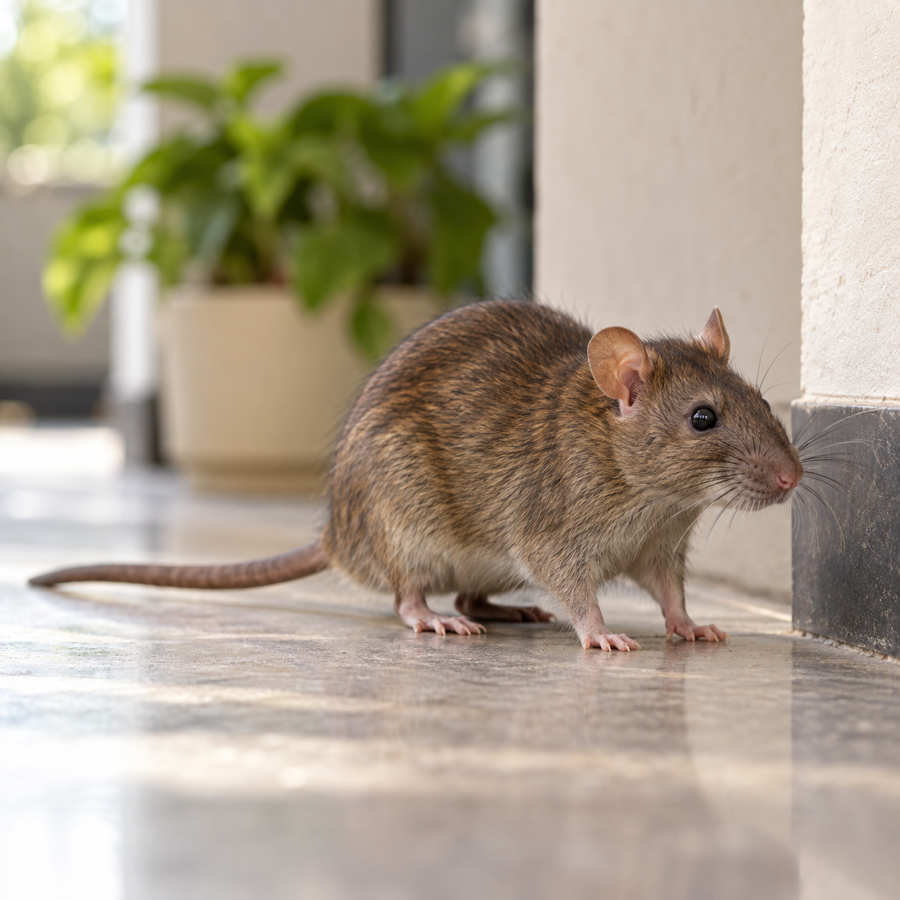
Intelligent, adaptable rodents that exploit food, water and shelter in homes, markets, sewers, warehouses and transport networks.
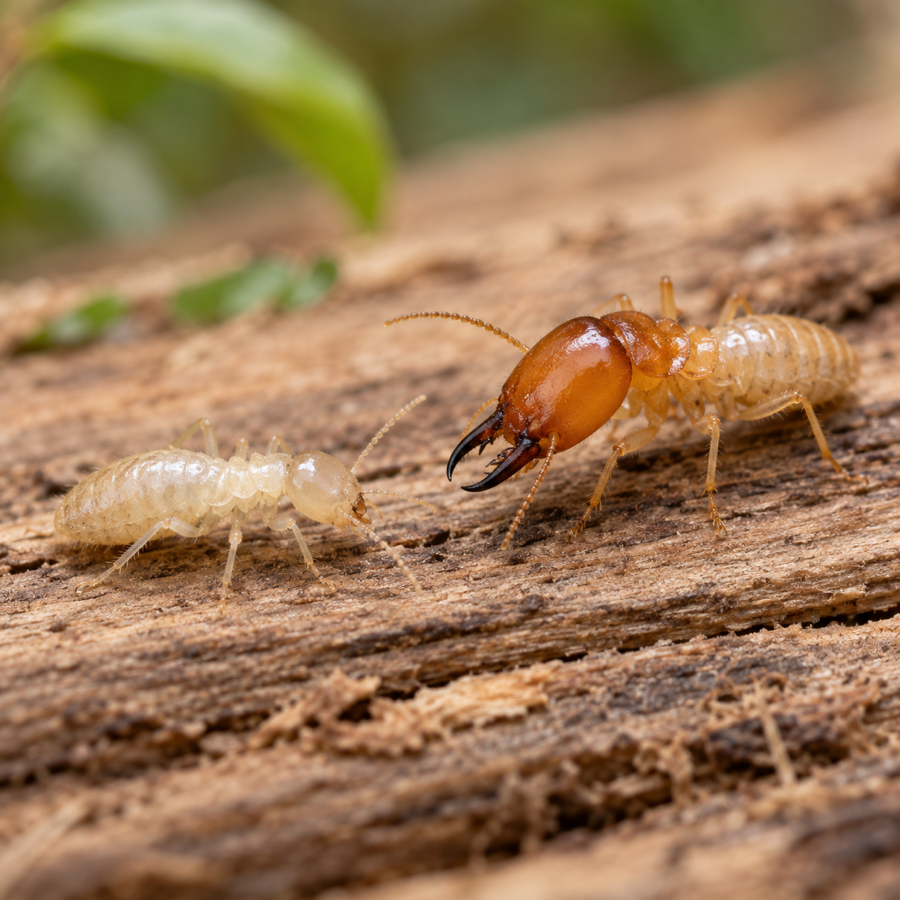
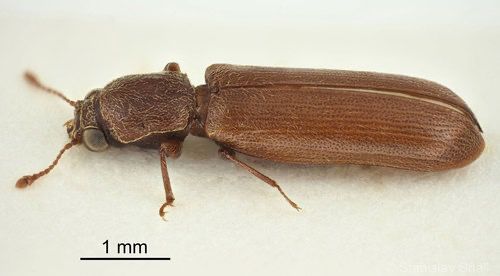
Wood-destroying insects
Beetles whose larvae tunnel through timber, furniture or structural wood while developing.
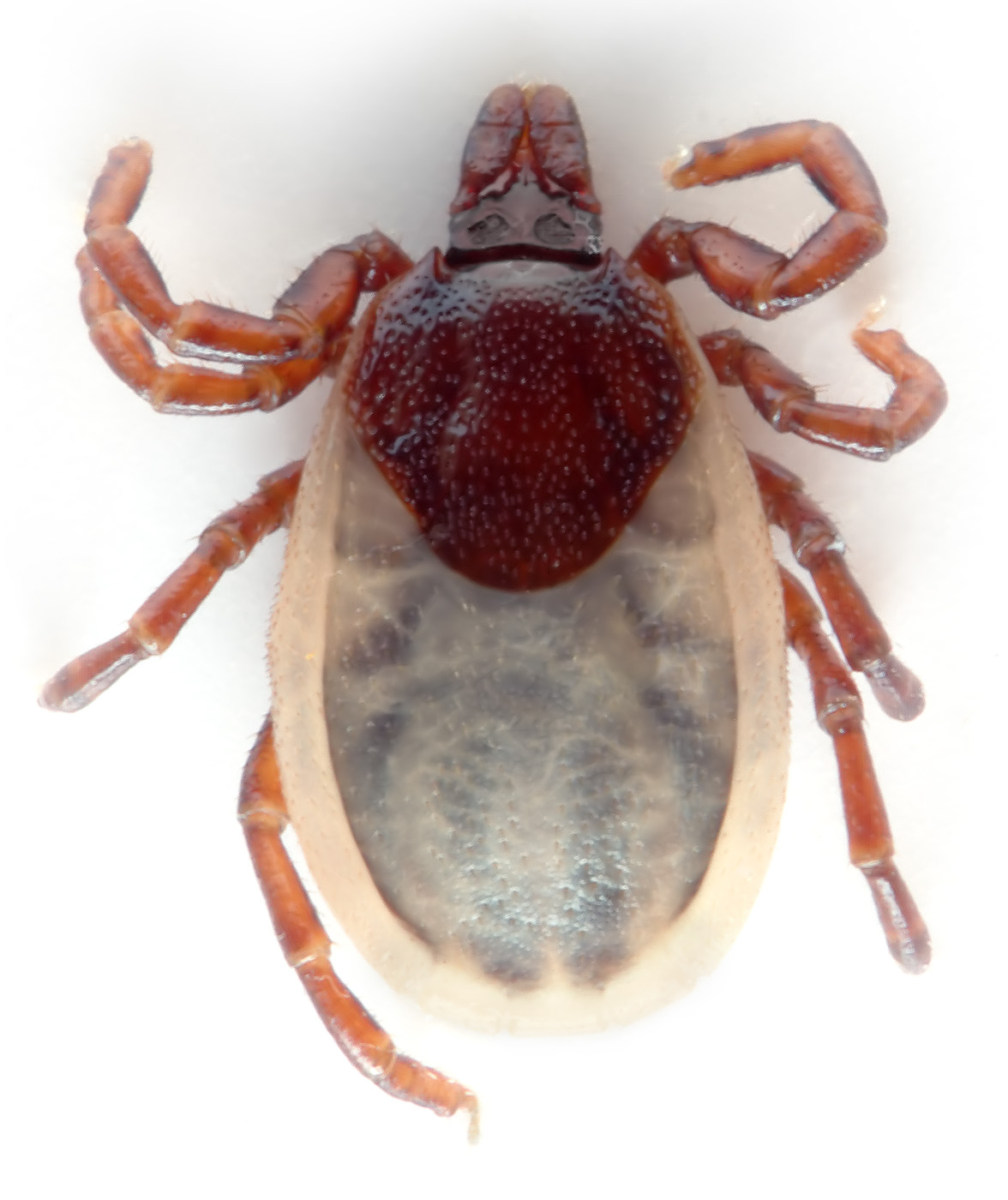
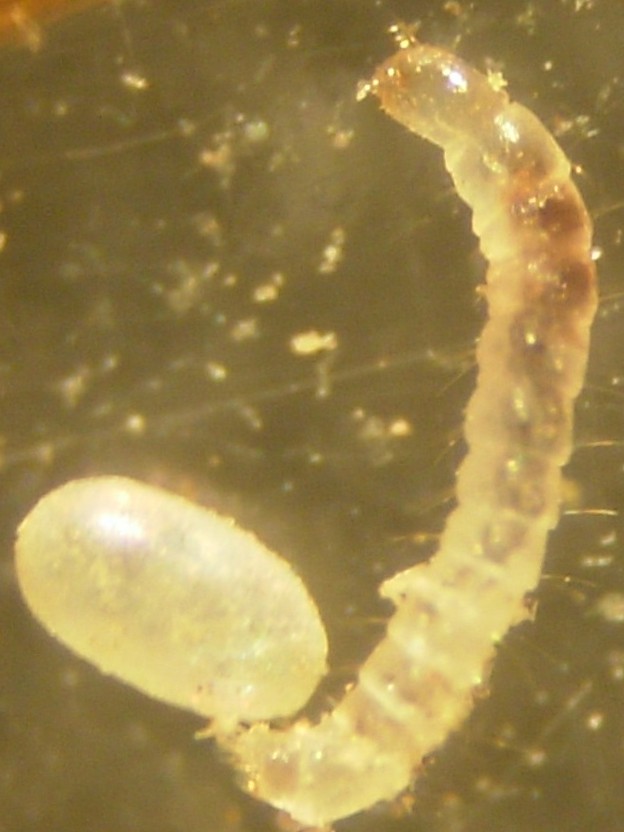
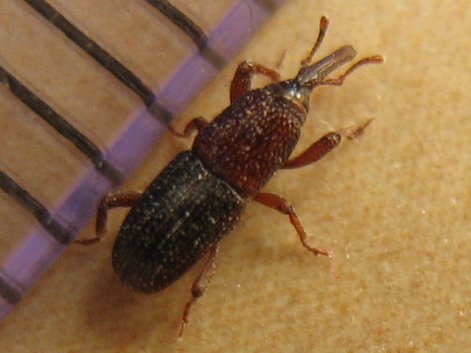
Stored-product insects
Beetles and moths that infest grains, flour, spices, nuts and other dry stored products.
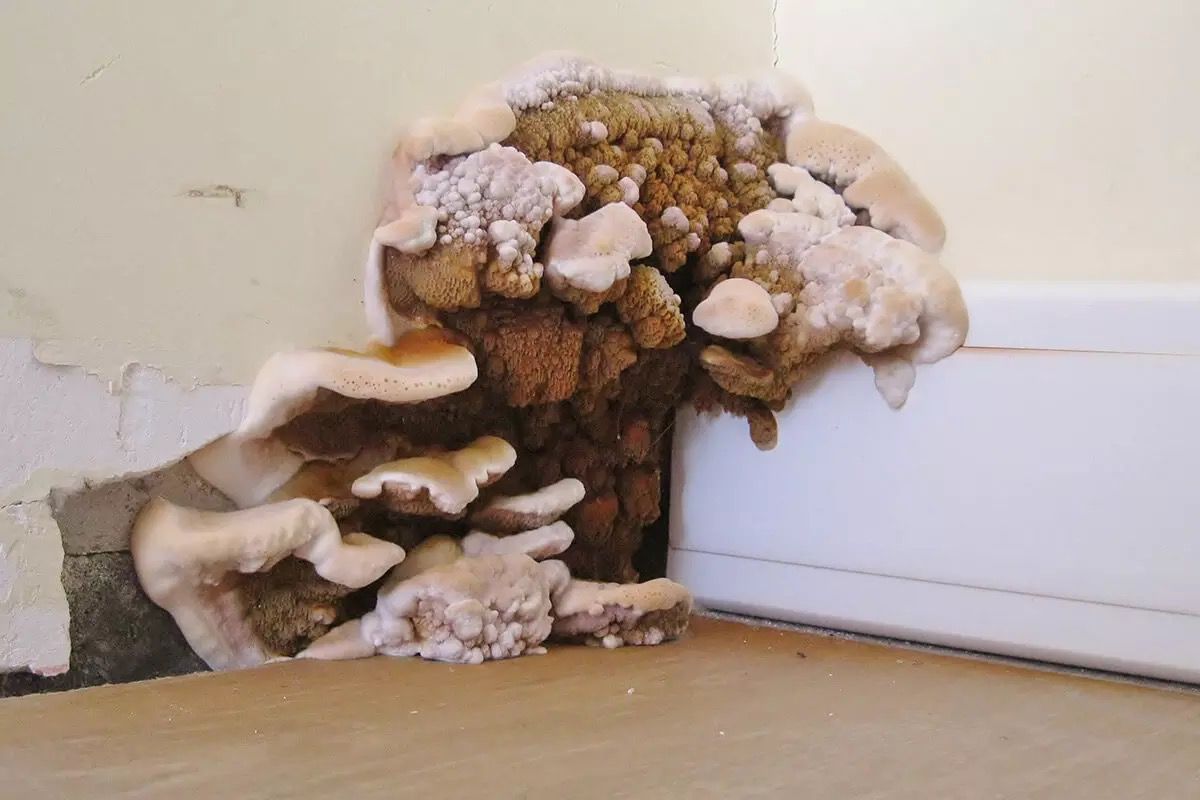
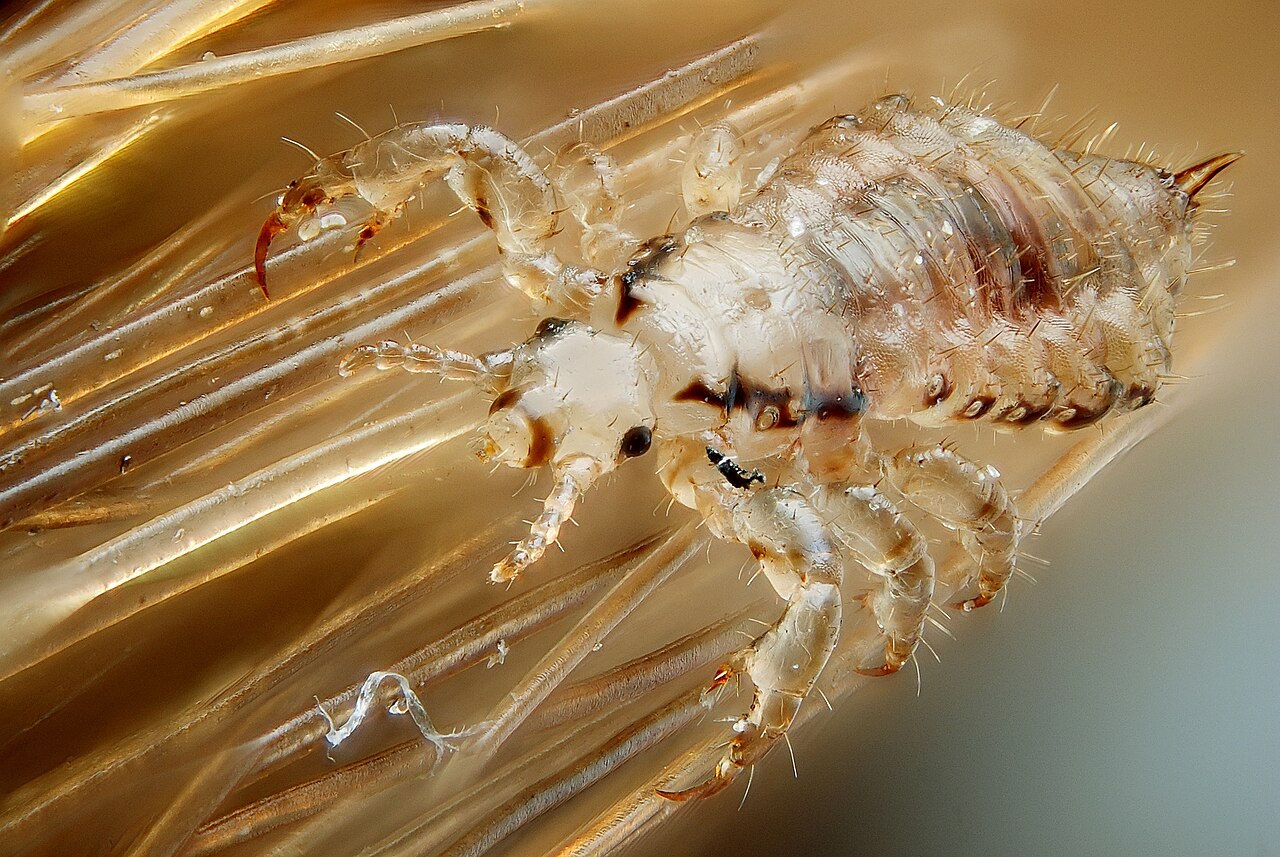
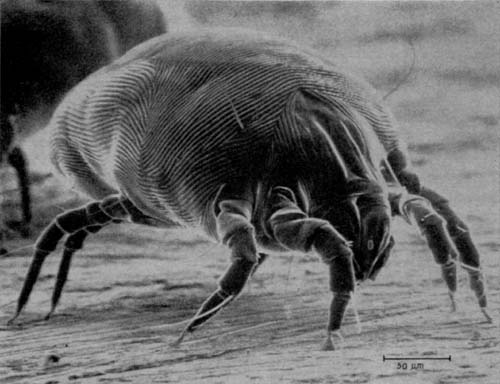
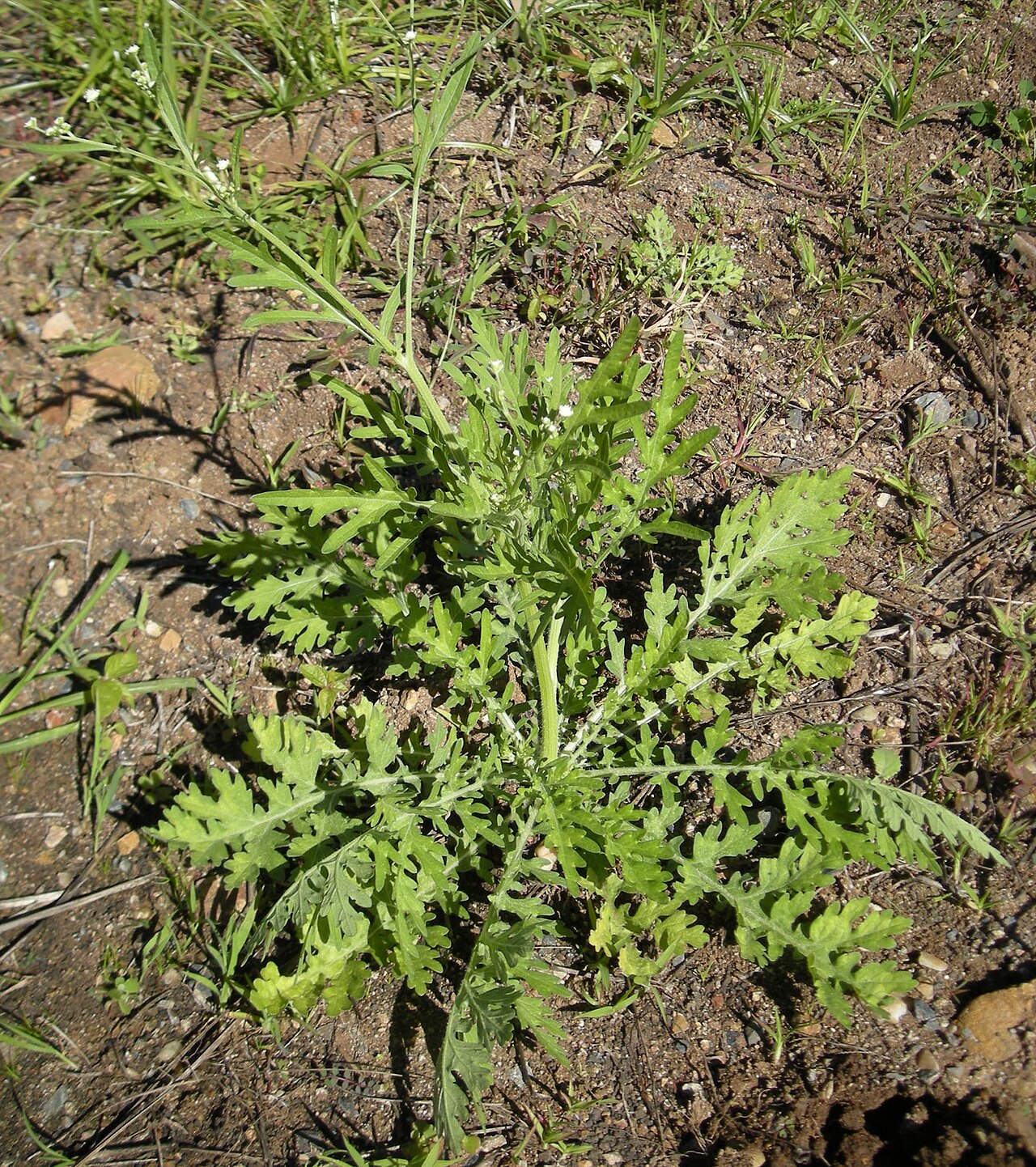
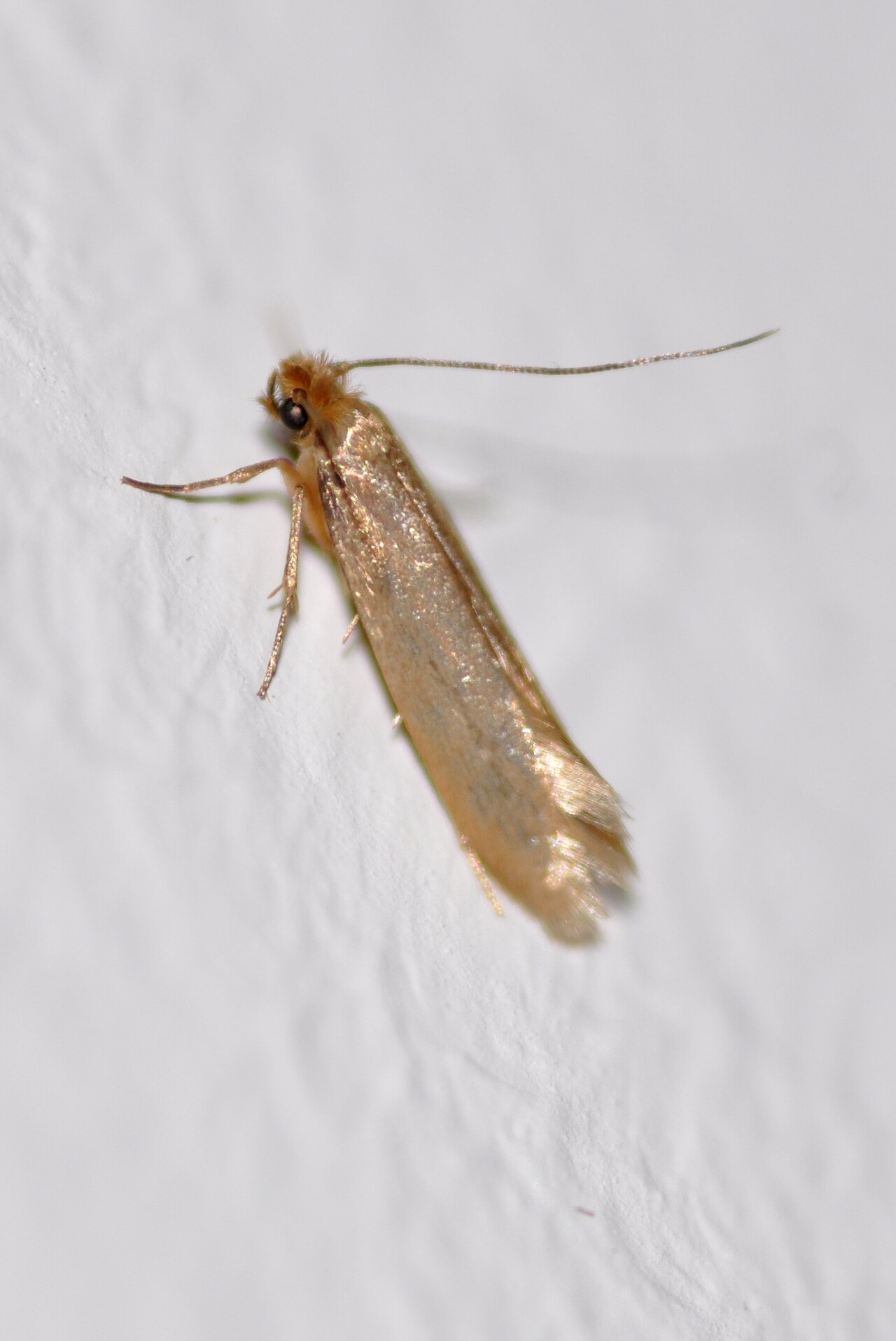
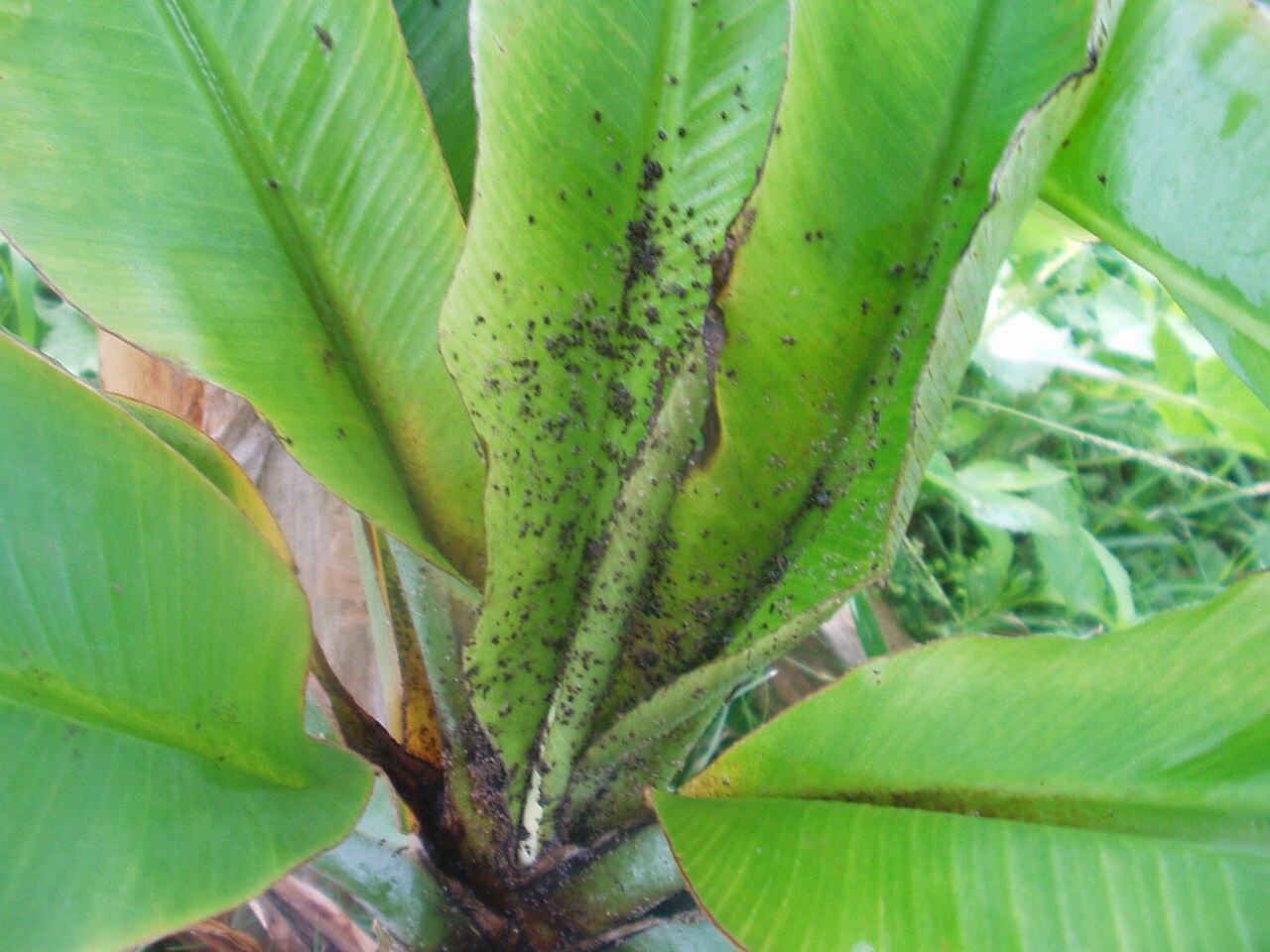
Landscape and crop pests
Organisms that feed on or damage ornamental plants, gardens and managed landscapes.
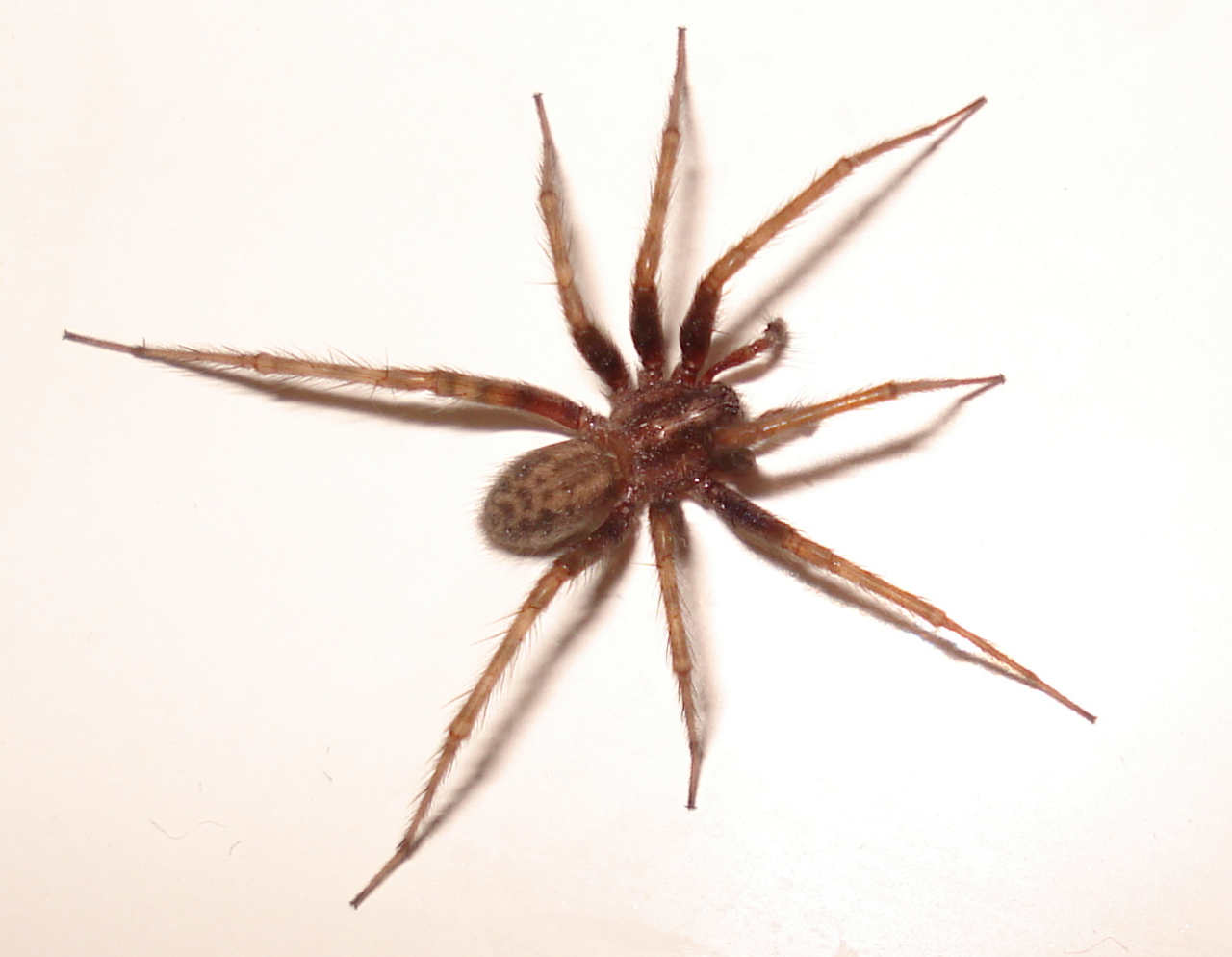
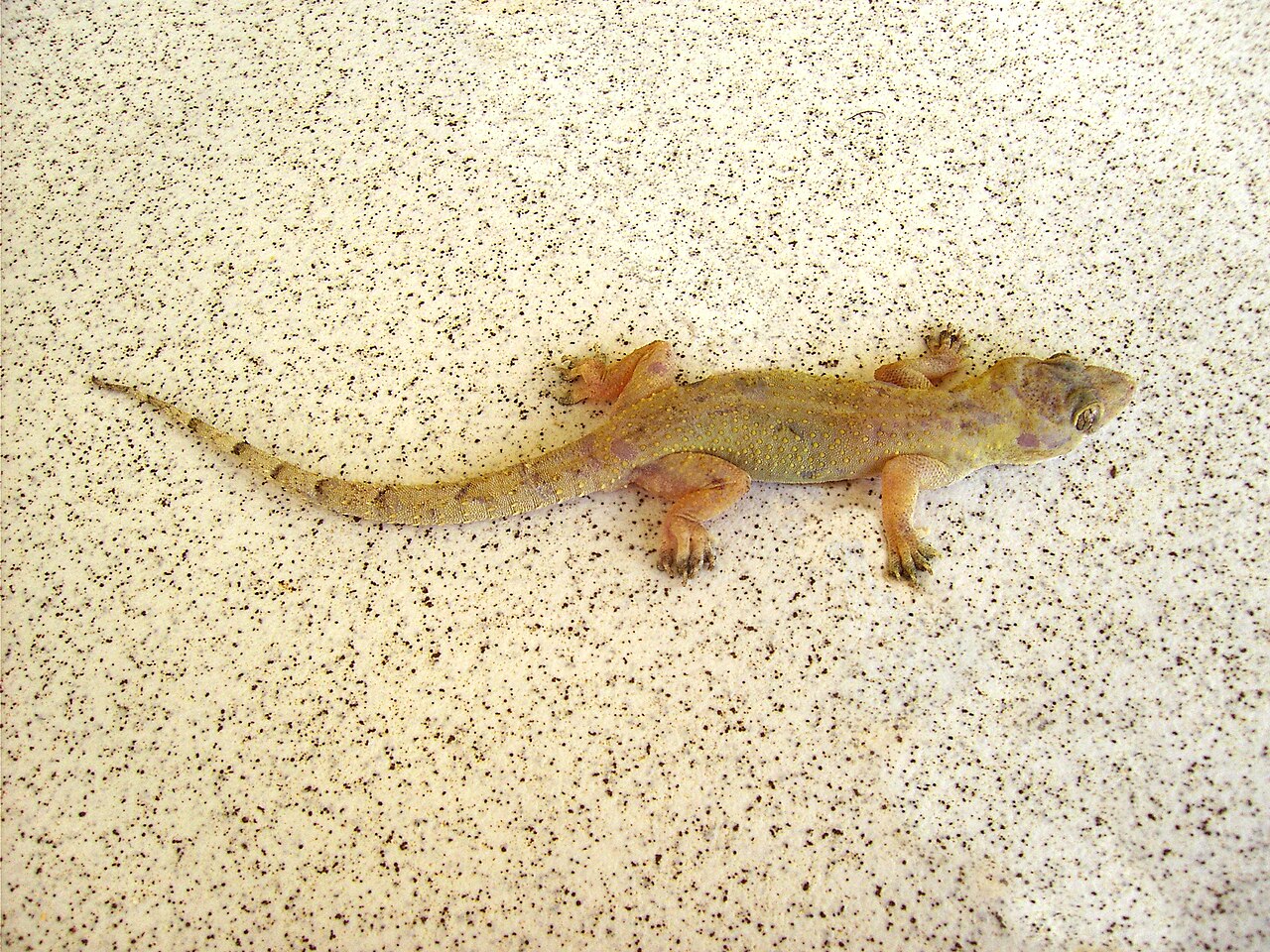
Wildlife visitors
Animals such as lizards, bees, snakes and frogs that may enter buildings but are not automatically pests.
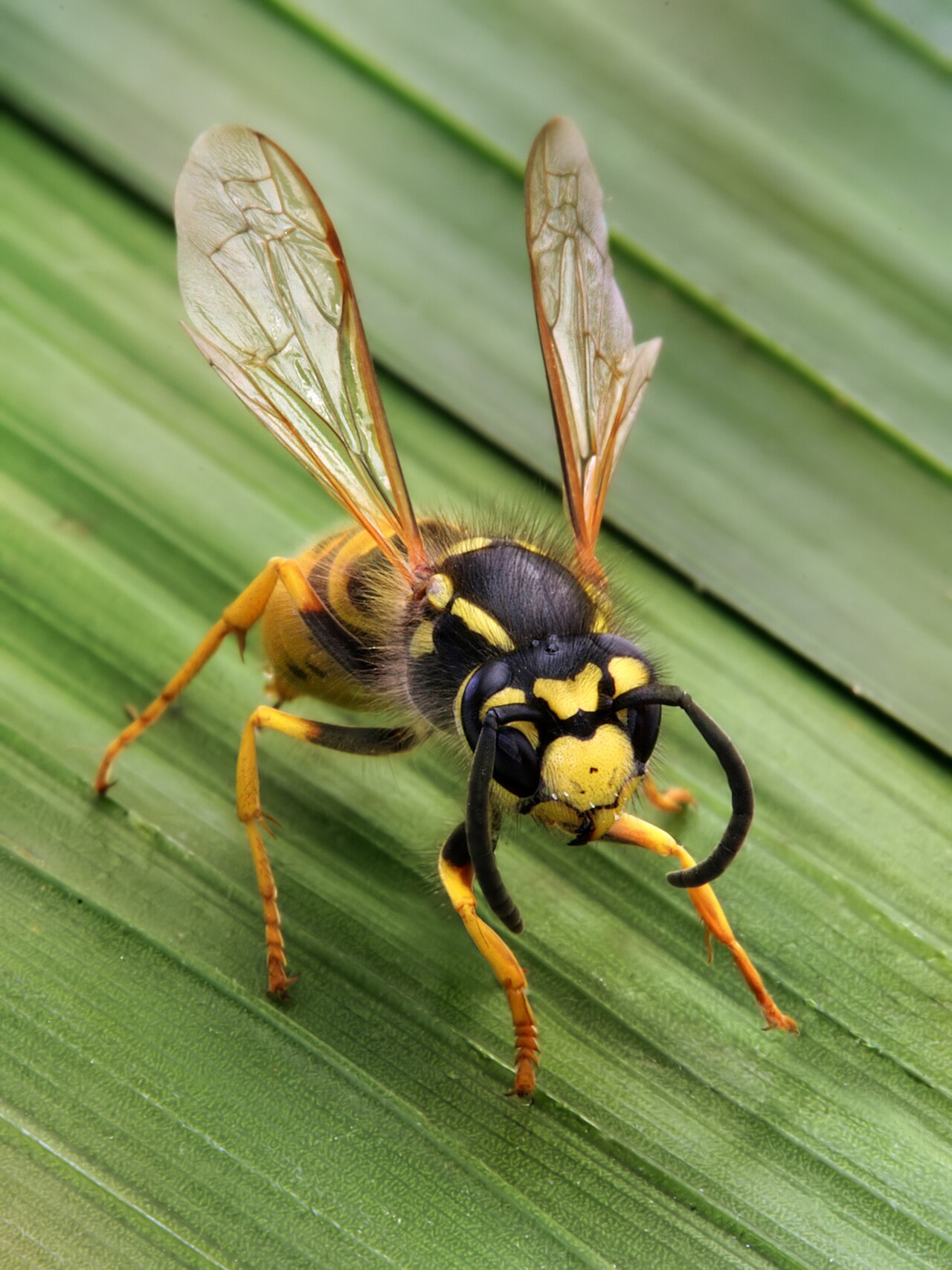
Stinging animals
Wasps, hornets and scorpions that can defend themselves or their nests with a painful sting.
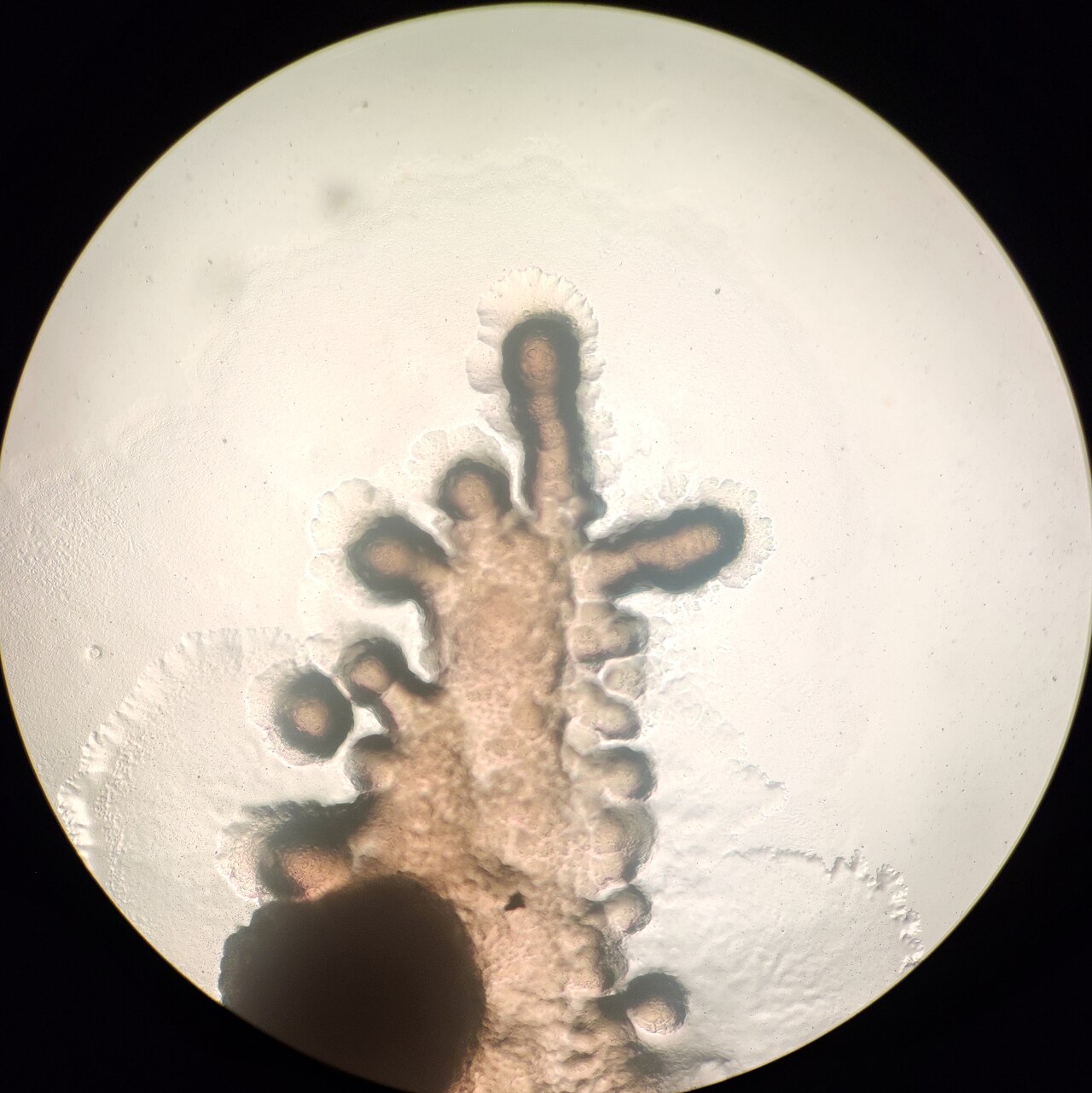
Micro-organisms
Microscopic organisms that may contaminate surfaces, food, water or environmental systems.
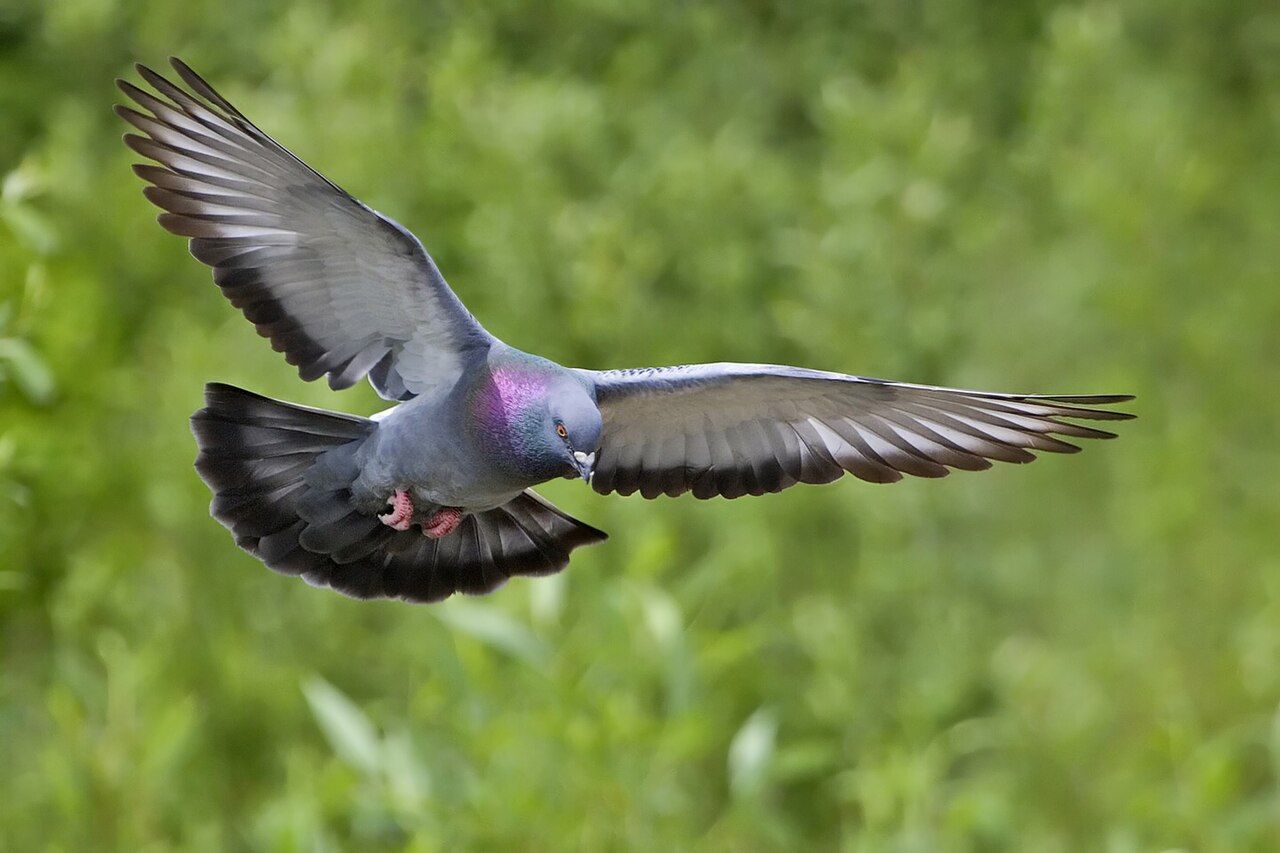
Urban wildlife
Birds such as feral pigeons, seagulls and crows that may roost, nest or feed around buildings.
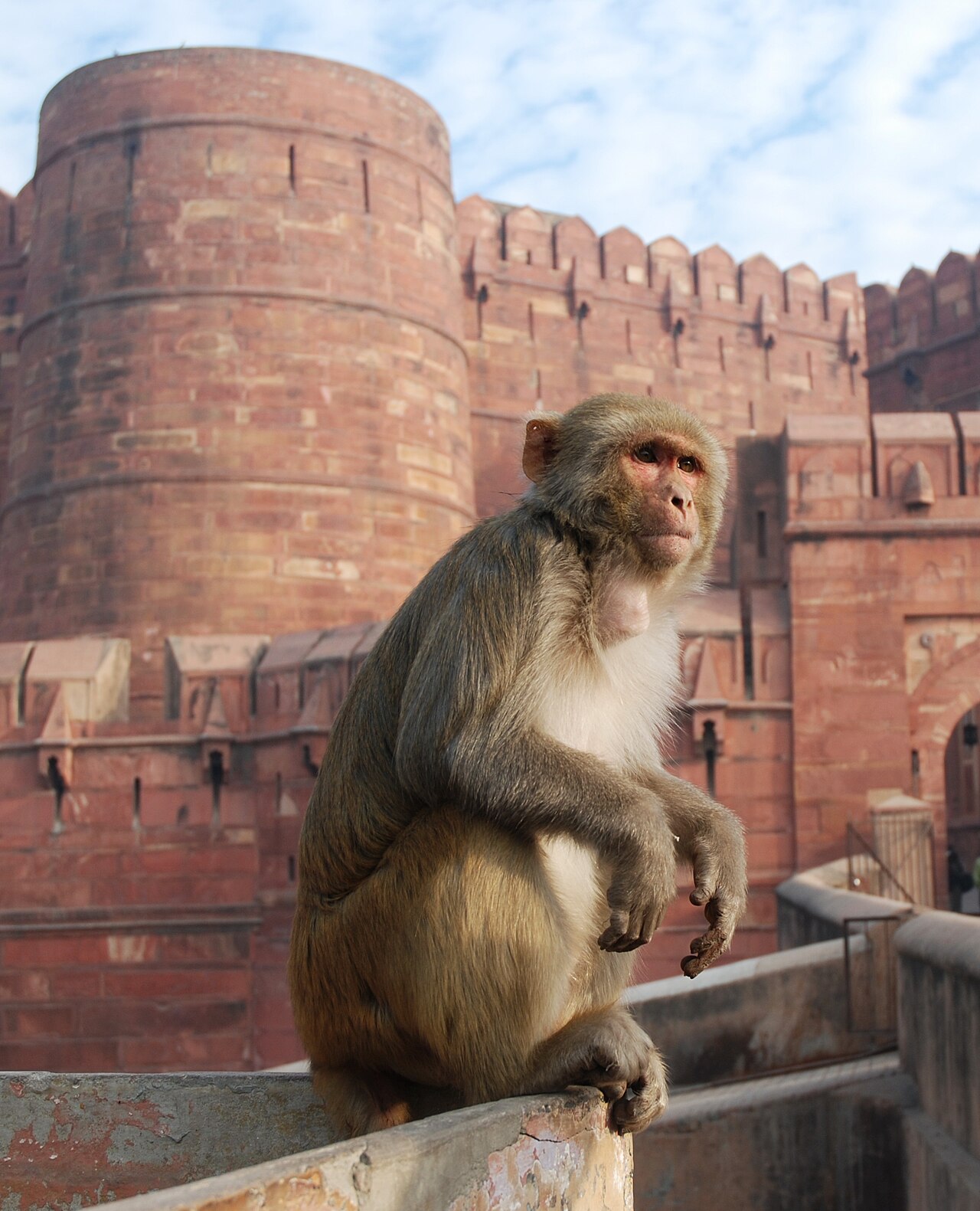
Urban wildlife
Wild animals that can conflict with people when they roost, forage or enter occupied properties.
Not sure what you found?