
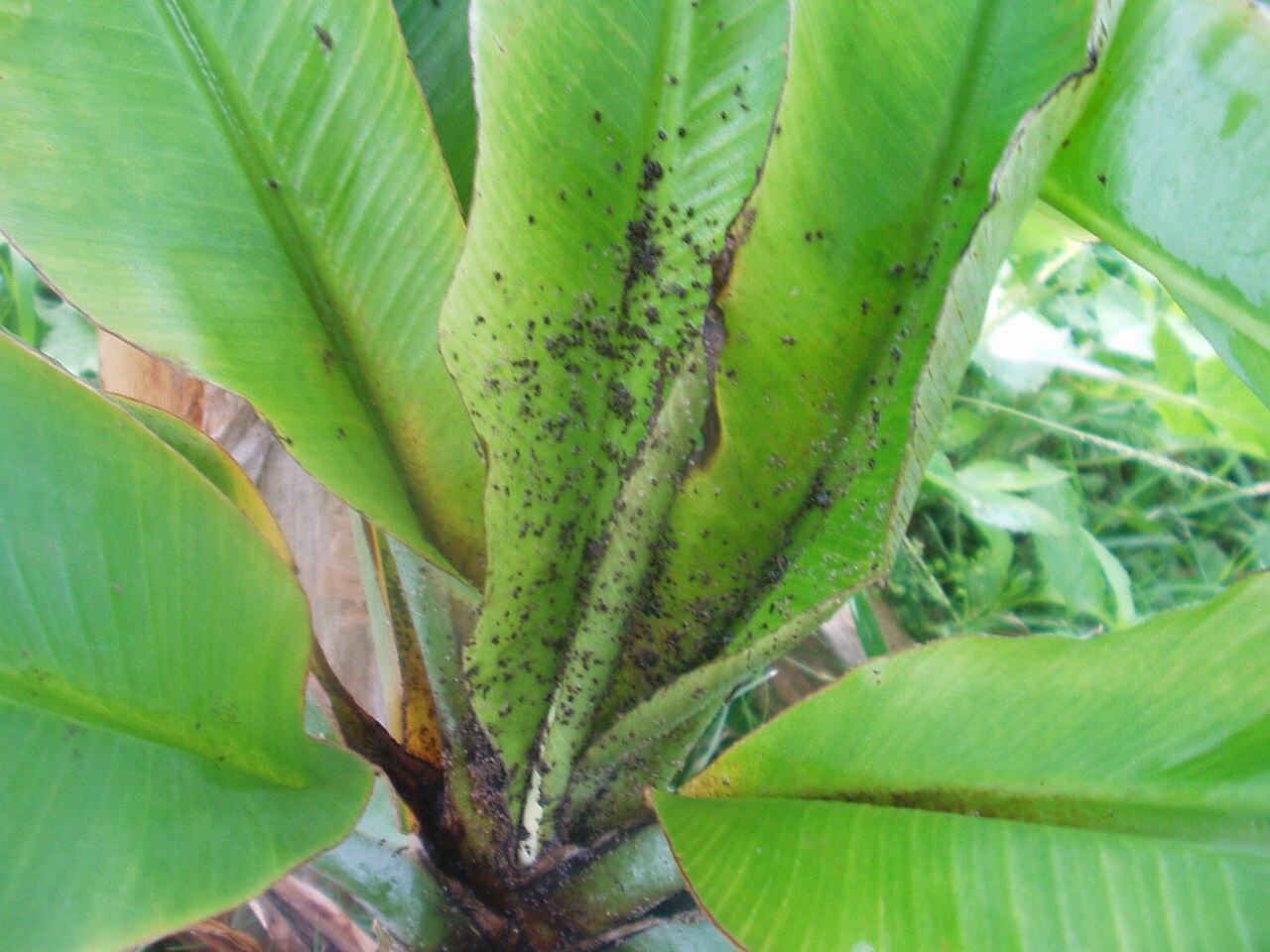
01
Appearance
The group includes aphids, scales, mites, thrips, borers, centipedes, millipedes and fungal symptoms.
02
Behavior
Some suck sap, some tunnel in stems, and others occupy damp soil or decaying vegetation.
03
Diet & habits
Plant sap, leaves, stems, roots, fungi or decaying material, depending on the organism.
04
Reproduction
Life cycles differ widely and may include eggs, mobile young, concealed larvae or rapid parthenogenetic reproduction.
05
Signs of an infestation
Distorted growth, stippling, sticky honeydew, sooty mould, holes, tunnels, webbing or visible colonies.
06
Health & property significance
They reduce plant health and appearance and may lead to decline or costly replacement in severe cases.
Prevention
Reduce the conditions that help pests thrive.
Confirm the organism before selecting control measures
Remove food, water and shelter where practical
Seal or manage access points and harbourage
Use monitoring and a site-specific IPM programme
Professional support
Seeing signs of plant pests activity?
Arrange a site-specific assessment with PCAMB.