
01
Appearance
Eight-legged animals with two main body sections and no antennae. Size, colour, web type and eye arrangement vary greatly.
Arachnids
Araneae
Predatory arachnids that often enter buildings while following insect prey or seeking shelter.
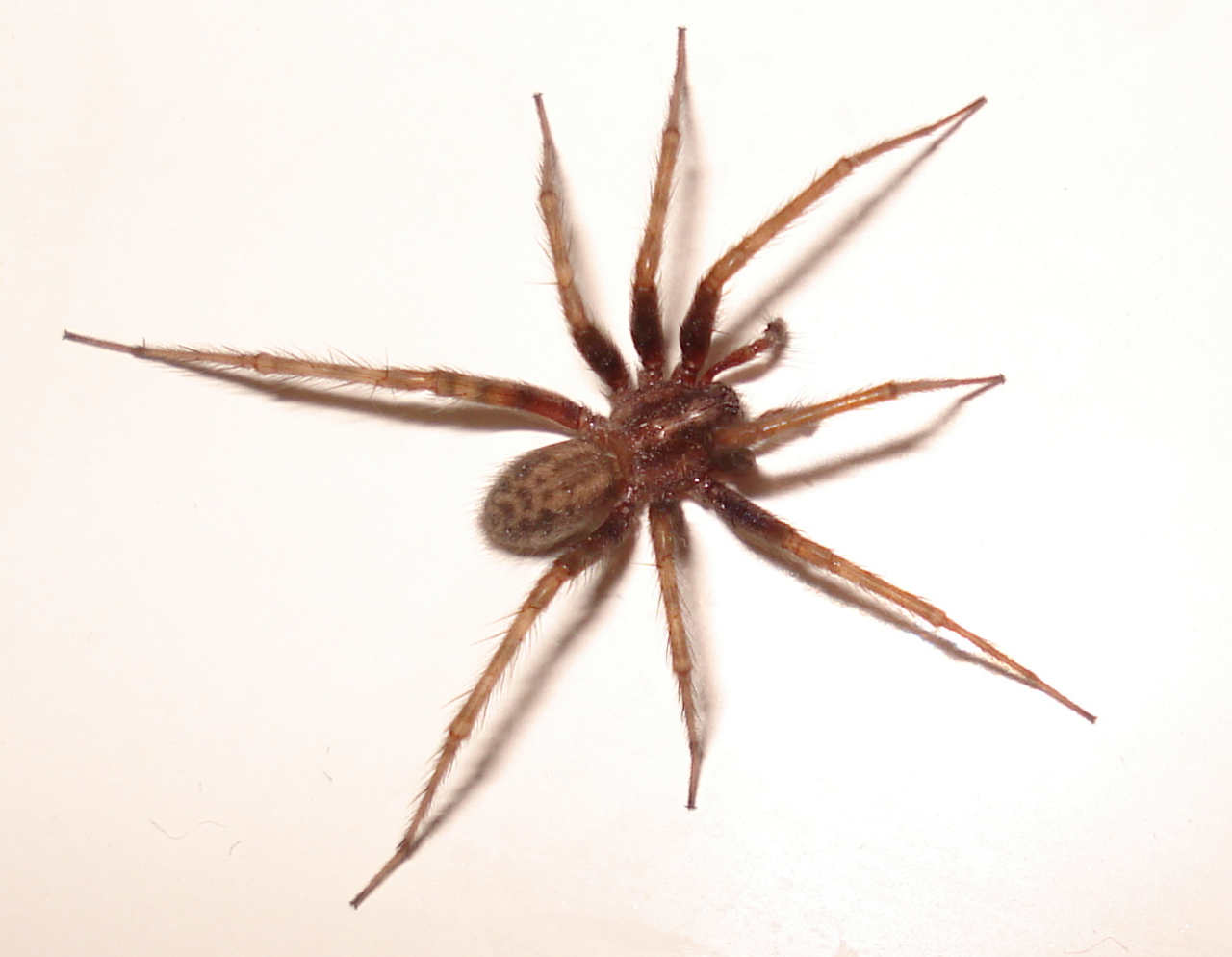
Photo: Sanchom · Source · Public domain
01
Eight-legged animals with two main body sections and no antennae. Size, colour, web type and eye arrangement vary greatly.
02
Some build webs while others actively hunt. Most avoid people and remain in quiet corners, roof spaces or sheltered outdoor areas.
03
Primarily insects and other small arthropods.
04
Females produce silk egg sacs. Young spiders disperse and develop through repeated moults.
05
Webs, egg sacs, cast skins and spiders in corners, storage spaces, vegetation or near lights that attract insects.
06
Most are harmless and beneficial predators. Unidentified spiders should not be handled, particularly where medically significant species occur.
Prevention
Professional support
Arrange a site-specific assessment with PCAMB.