
Pest library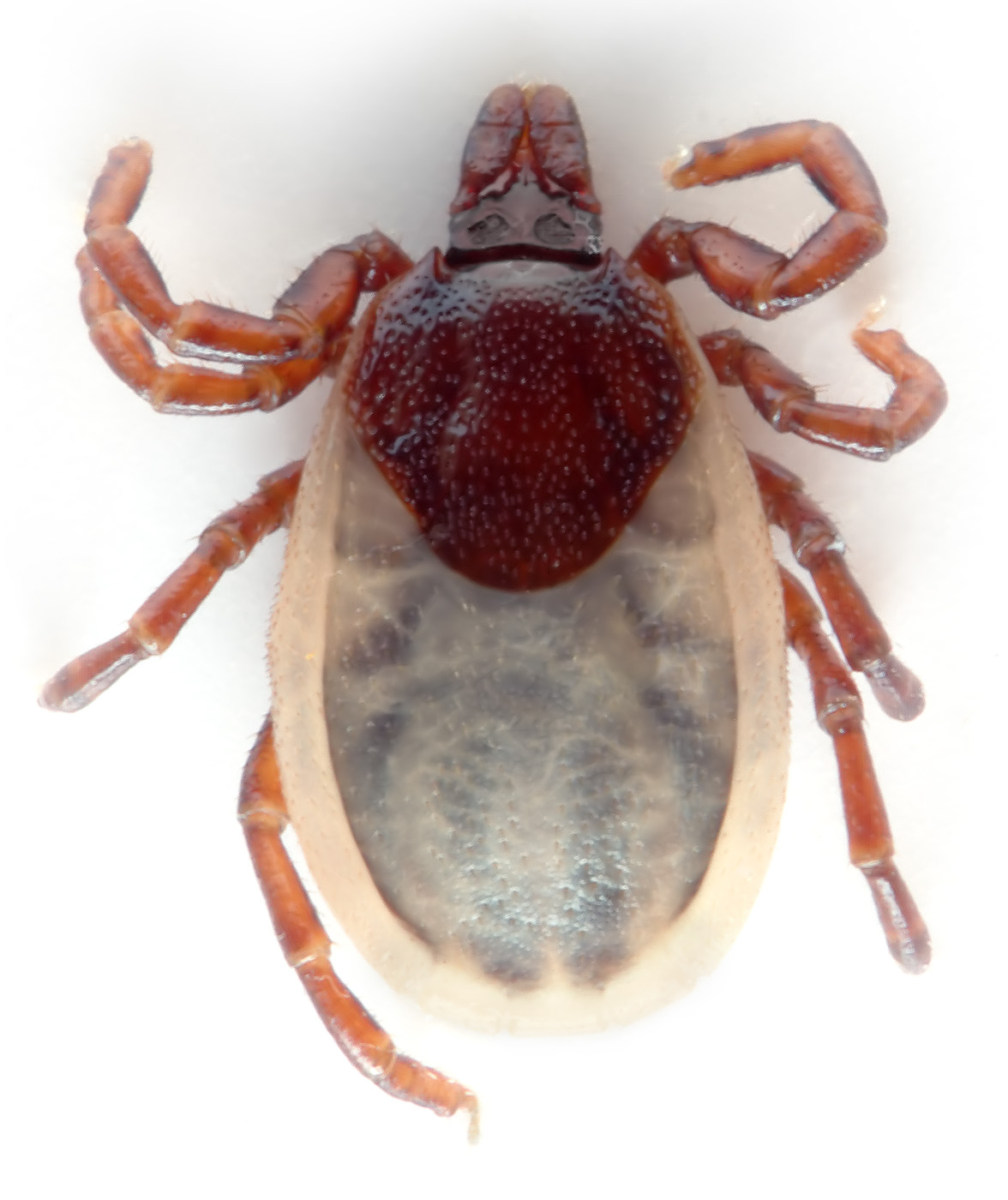
Blood-feeding arachnids
Ticks
Ixodida
Eight-legged external parasites that feed on people, pets, livestock and wildlife.
Included in this category
Lone Star tick (Amblyomma americanum)
Brown Dog ticks (Rhipicephalus sanguineus Latreille)
Deer tick / Black legged tick (Ixodex)
Photo: André Karwath · Source · CC BY-SA 2.5
01
Appearance
Unfed ticks are small and flattened with eight legs as nymphs and adults. Females may become greatly enlarged after feeding.
02
Behavior
Ticks wait on vegetation or around animal resting sites and attach when a host passes. Brown dog ticks can complete their cycle indoors.
03
Diet & habits
Blood from vertebrate hosts at larval, nymphal and adult stages.
04
Reproduction
After feeding, adult females lay large batches of eggs. Development proceeds from six-legged larva to nymph and adult.
05
Signs of an infestation
Ticks attached to people or animals, crawling near pet bedding, and repeated findings after time outdoors.
06
Health & property significance
Ticks can cause irritation and transmit pathogens. Medical or veterinary advice is appropriate after concerning exposure.
Prevention
Reduce the conditions that help pests thrive.
Confirm the organism before selecting control measures
Remove food, water and shelter where practical
Seal or manage access points and harbourage
Use monitoring and a site-specific IPM programme
Professional support
Seeing signs of ticks activity?
Arrange a site-specific assessment with PCAMB.