
Pest library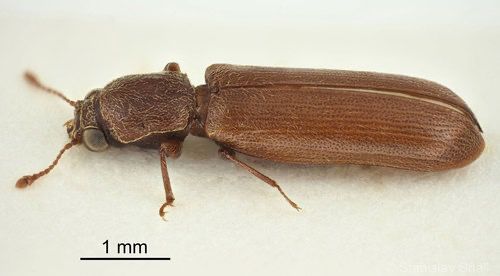
Wood-destroying insects
Wood Boring Beetles
Multiple beetle families
Beetles whose larvae tunnel through timber, furniture or structural wood while developing.
Included in this category
House longhorn beetle (Hylotrupes bajulus)
Common furniture beetle (Anobium punctatum)
01
Appearance
Adults differ by species, while pale curved larvae live inside wood. Exit-hole size and frass texture help identify the group.
02
Behavior
Larvae may remain concealed for months or years, feeding along the grain before adults emerge through characteristic holes.
03
Diet & habits
Larvae feed on starches or cellulose in seasoned, damp or decaying timber according to species.
04
Reproduction
Adults lay eggs on rough timber, cracks or old exit holes. Larvae bore into the wood and later pupate near the surface.
05
Signs of an infestation
Fresh exit holes, powdery or pellet-like frass, weak timber, audible feeding in severe cases and adult beetles near windows.
06
Health & property significance
Persistent attack can damage furniture, artefacts, flooring and structural timber.
Prevention
Reduce the conditions that help pests thrive.
Confirm the organism before selecting control measures
Remove food, water and shelter where practical
Seal or manage access points and harbourage
Use monitoring and a site-specific IPM programme
Professional support
Seeing signs of wood boring beetles activity?
Arrange a site-specific assessment with PCAMB.