
Pest library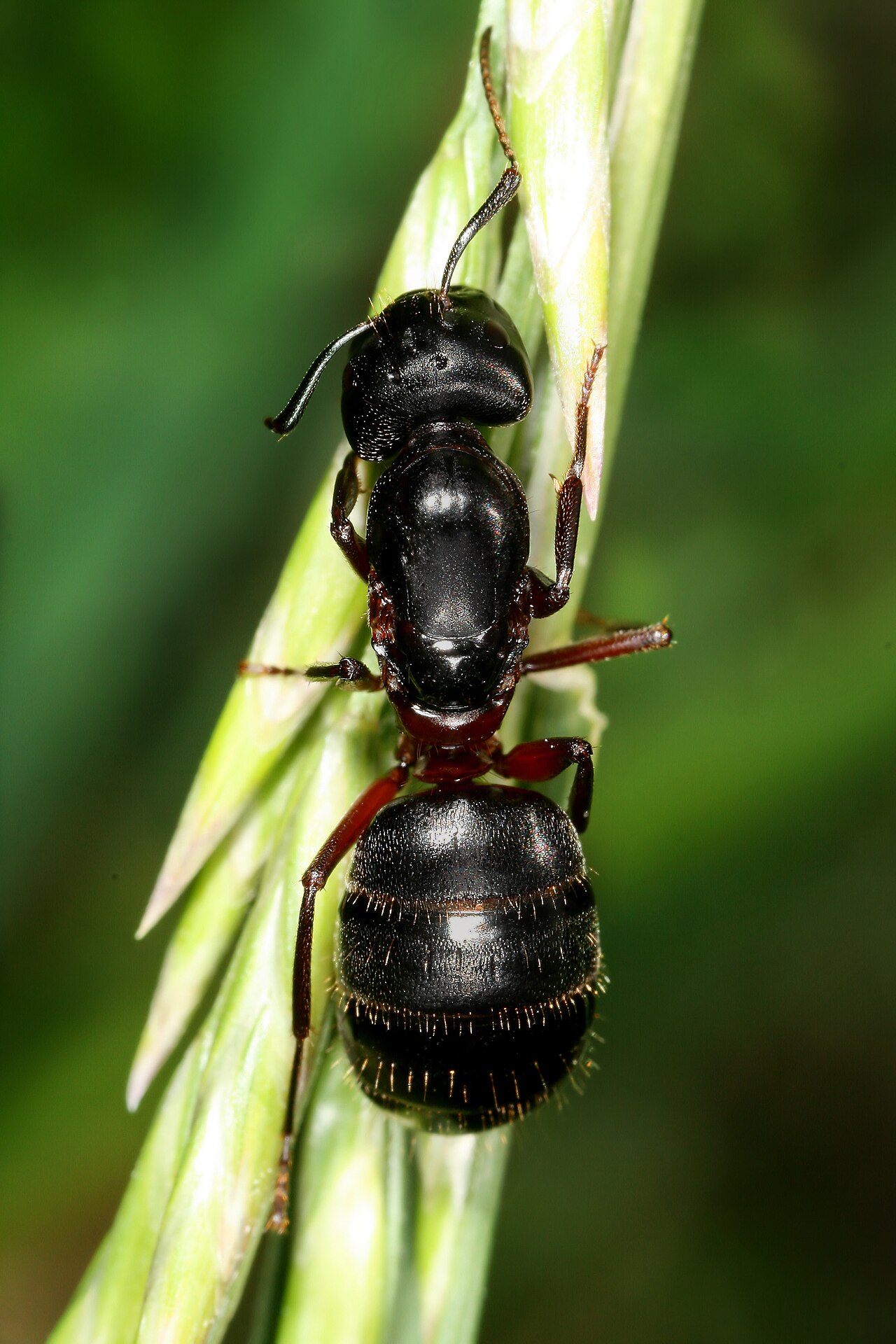
Crawling insects
Occasional Ants
Formicidae — multiple species
A varied group of ants that enter or nest in buildings under favourable food, moisture and shelter conditions.
Included in this category
Carpenter ant (Camponotus pennsylvanicus)
Odorous house ant (Tapinoma sessile)
Pharaoh's ant (Monomorium pharaonis)
Yellow Crazy Ant (Anoplolepis gracilipes)
Black Crazy Ant (Paratrechina longicornis)
Photo: Richard Bartz · Source · CC BY-SA 2.5
01
Appearance
Species vary widely in size and colour. Correct identification uses body size, nodes at the waist, antennae and nesting habits.
02
Behavior
Some species form large multi-nest colonies, while carpenter ants excavate damp wood and Pharaoh ants favour warm indoor spaces.
03
Diet & habits
Sweet liquids, proteins, fats, insects and food waste, depending on species and colony stage.
04
Reproduction
Colonies contain queens, workers and seasonal reproductives. Some indoor species spread when a colony buds into smaller colonies.
05
Signs of an infestation
Persistent trails, workers around moisture or food, fine debris near nest sites, and occasional swarms of winged reproductives.
06
Health & property significance
Risks range from nuisance activity and food contamination to painful stings or nesting in moisture-damaged timber.
Prevention
Reduce the conditions that help pests thrive.
Confirm the organism before selecting control measures
Remove food, water and shelter where practical
Seal or manage access points and harbourage
Use monitoring and a site-specific IPM programme
Professional support
Seeing signs of occasional ants activity?
Arrange a site-specific assessment with PCAMB.