
Pest library
Unwanted vegetation
Weeds
Multiple invasive plant species
Unwanted plants that compete with managed vegetation or create operational, access and health concerns.
Included in this category
Lantana camara (Lantana)
Cynodon dactylon (Bermuda grass)
Chromolaena odorata (Siam weed)
Oxalis corniculata (Creeping woodsorrel)
01
Appearance
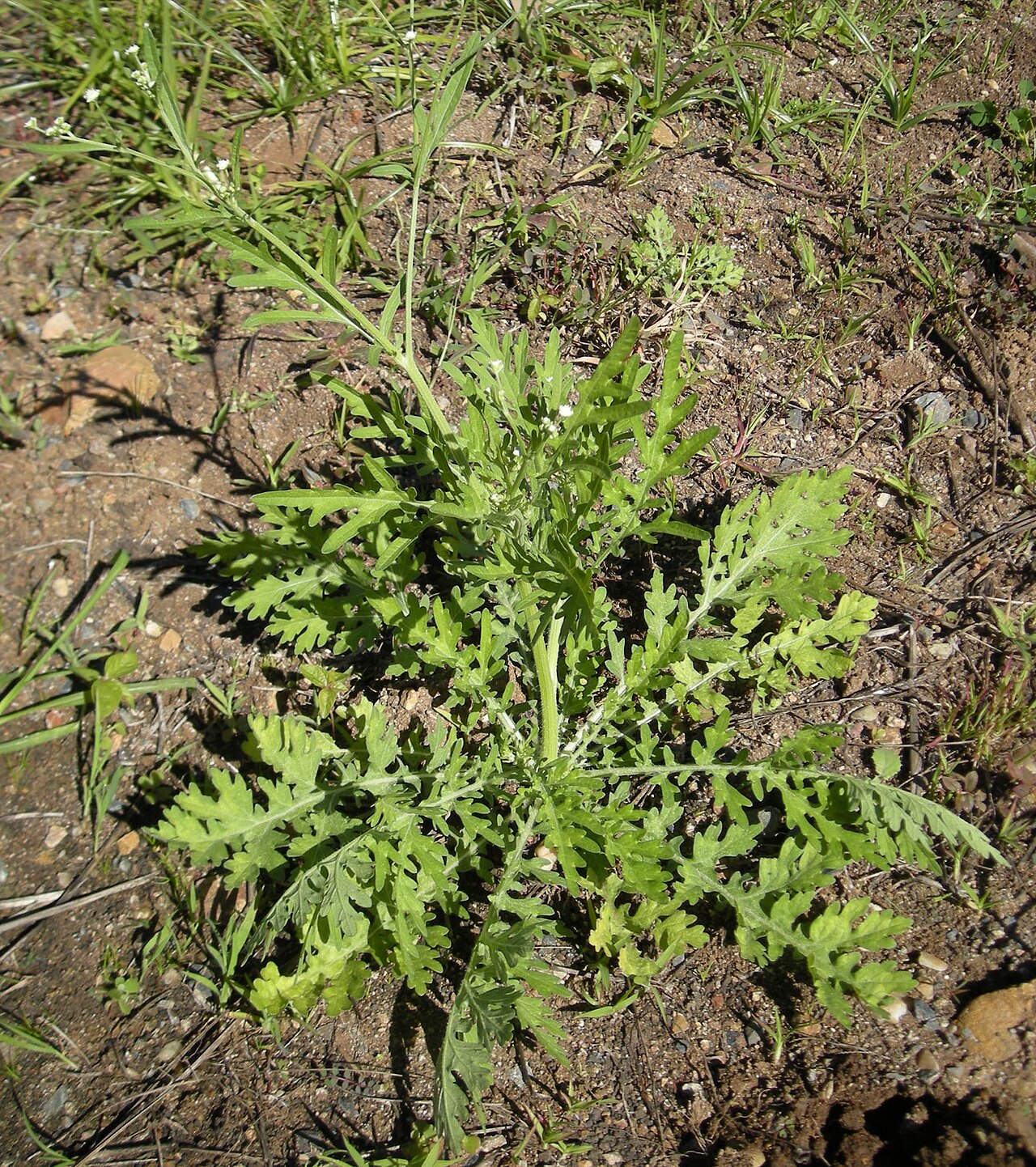
The listed weeds range from low creeping herbs and grasses to tall flowering shrubs. Identification should use leaves, stems and flowers.
02
Behavior
Weeds colonise disturbed ground, edges, paving gaps and neglected areas, spreading by seed or vegetative growth.
03
Diet & habits
Plants make their own food by photosynthesis while drawing water and nutrients from soil.
04
Reproduction
Species spread through seed, runners, rhizomes, fragments or combinations of these methods.
05
Signs of an infestation
Unwanted growth, rapid regrowth after cutting, seed production and displacement of intended planting.
06
Health & property significance
Dense weeds can obstruct access, harbour pests, damage surfaces and, in some species, cause allergy or skin irritation.
Prevention
Reduce the conditions that help pests thrive.
Confirm the organism before selecting control measures
Remove food, water and shelter where practical
Seal or manage access points and harbourage
Use monitoring and a site-specific IPM programme
Professional support
Seeing signs of weeds activity?
Arrange a site-specific assessment with PCAMB.