
Pest library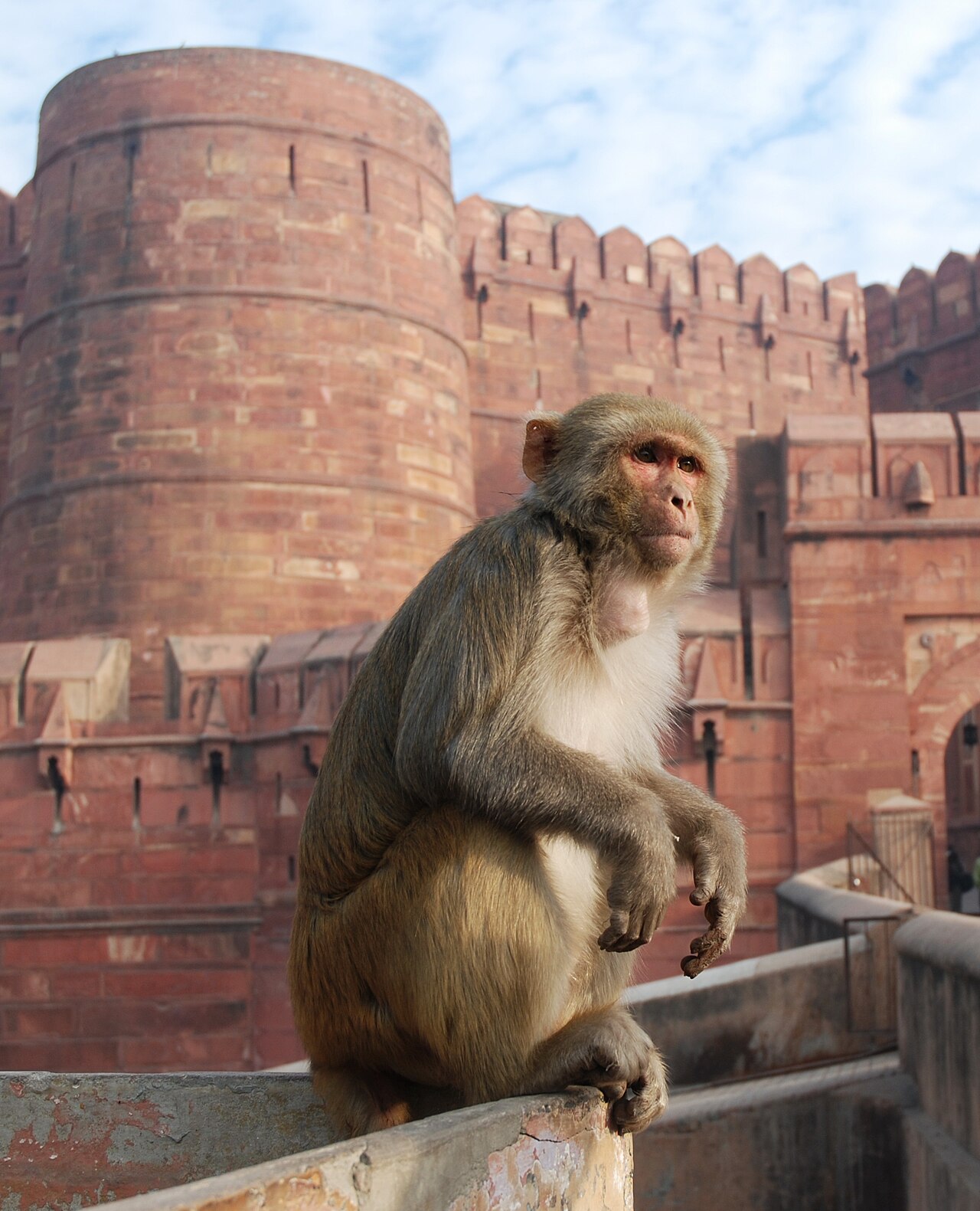
Urban wildlife
Nuisance Wildlife
Bats and monkeys
Wild animals that can conflict with people when they roost, forage or enter occupied properties.
Included in this category
Monkeys
Photo: Thomas Schoch · Source · CC BY-SA 4.0
01
Appearance
The library includes bats and monkeys, two very different protected wildlife groups requiring specialist identification.
02
Behavior
Bats roost in sheltered spaces and emerge to feed; monkeys are intelligent social animals attracted by food and easy access.
03
Diet & habits
Varies by species and may include insects, fruit, leaves, seeds and human food.
04
Reproduction
Both groups invest heavily in relatively few young, so disturbance at breeding or maternity sites can be harmful.
05
Signs of an infestation
Direct sightings, calls, droppings, roost staining, damaged food containers and regular travel routes.
06
Health & property significance
Avoid direct contact or feeding. Exclusion and management should follow wildlife law and trained specialist guidance.
Prevention
Reduce the conditions that help pests thrive.
Confirm the organism before selecting control measures
Remove food, water and shelter where practical
Seal or manage access points and harbourage
Use monitoring and a site-specific IPM programme
Professional support
Seeing signs of nuisance wildlife activity?
Arrange a site-specific assessment with PCAMB.