
Pest library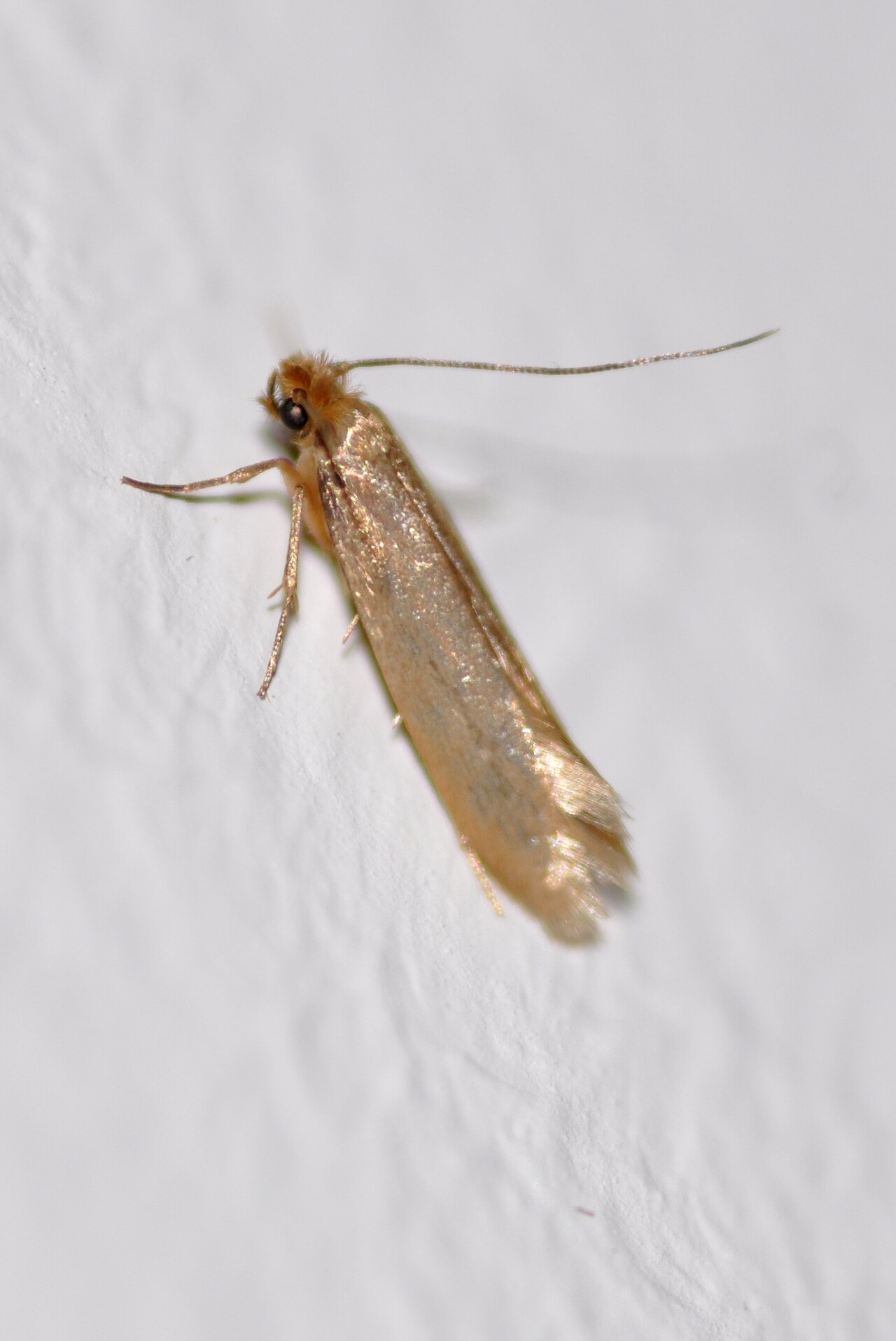
Flying insects
Moths
Lepidoptera
A diverse group whose larvae may damage fabrics, stored foods, crops or other organic materials.
Included in this category
Common Owl Moth (Erebus macrops)
Death's Head Hawkmoth (Acherontia lachesis)
Tea Looper (Biston suppressaria)
Tussock moths (Lymantriinae)
Indian Meal Moth (Plodia interpunctella)
Photo: Aiwok · Source · CC BY-SA 3.0
01
Appearance
Adults have scaled wings; larvae are caterpillars. Pest species are identified by size, wing markings, webbing and feeding material.
02
Behavior
Adults seek mates and egg-laying sites, while larvae remain close to suitable food and sheltered cracks.
03
Diet & habits
Larvae may feed on natural fibres, stored foods or plants. Many adults feed little or take nectar.
04
Reproduction
Females lay eggs near larval food. Caterpillars grow through several stages before forming pupae and emerging as adults.
05
Signs of an infestation
Webbing, holes in fabrics, damaged food, caterpillars, pupal cases and small moths in cupboards or stores.
06
Health & property significance
Pest moth larvae can damage clothing, carpets, stored products and crops; adults are usually harmless.
Prevention
Reduce the conditions that help pests thrive.
Confirm the organism before selecting control measures
Remove food, water and shelter where practical
Seal or manage access points and harbourage
Use monitoring and a site-specific IPM programme
Professional support
Seeing signs of moths activity?
Arrange a site-specific assessment with PCAMB.