
Pest library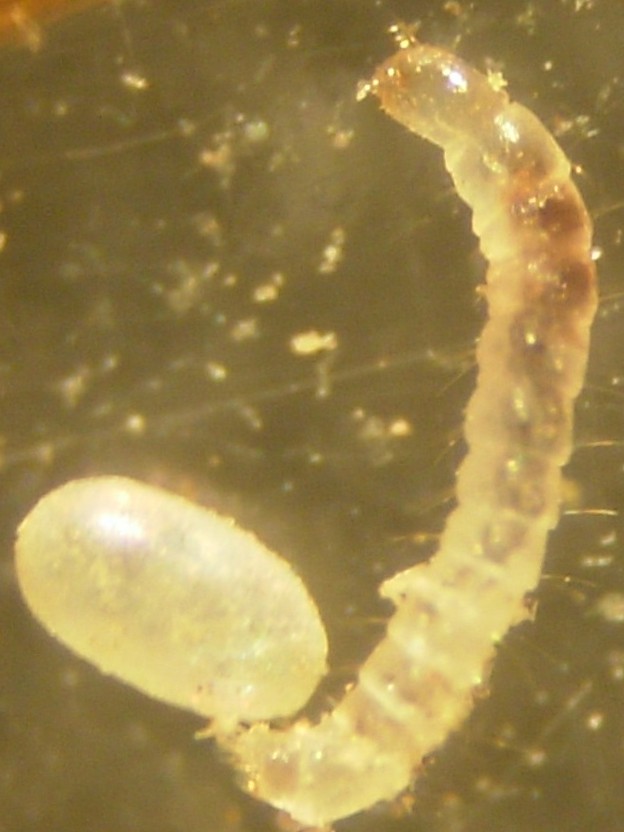
Blood-feeding insects
Fleas
Siphonaptera
Small jumping insects associated mainly with cats, dogs, wildlife and animal resting areas.
Included in this category
Cat fleas
Photo: Auguste Le Roux · Source · Public domain
01
Appearance
Wingless, laterally flattened, dark insects with powerful hind legs. Adults are usually 1.5–4 mm long.
02
Behavior
Adults live on hosts and jump readily. Eggs and immature stages accumulate in bedding, carpets and sheltered floor edges.
03
Diet & habits
Adults feed on blood; larvae consume organic debris including dried blood shed by adults.
04
Reproduction
Eggs fall from the host into the environment. Larvae spin cocoons and adults emerge in response to heat, vibration and carbon dioxide.
05
Signs of an infestation
Bites around ankles, scratching pets, flea dirt, jumping adults and activity in pet sleeping areas.
06
Health & property significance
Bites cause irritation and allergic reactions, and some fleas can transmit pathogens or tapeworms.
Prevention
Reduce the conditions that help pests thrive.
Confirm the organism before selecting control measures
Remove food, water and shelter where practical
Seal or manage access points and harbourage
Use monitoring and a site-specific IPM programme
Professional support
Seeing signs of fleas activity?
Arrange a site-specific assessment with PCAMB.